Architects Amair Assis, Geraldo Ângelo Silva Collaborators Anna Carolina Ozorio, Ismael Freitas Location Pampulha, Campus UFMG, Belo Horizonte, Brazil Area 5 940 m² + 5100 m² Year 2012-2020 Photography Juliana Berzoini
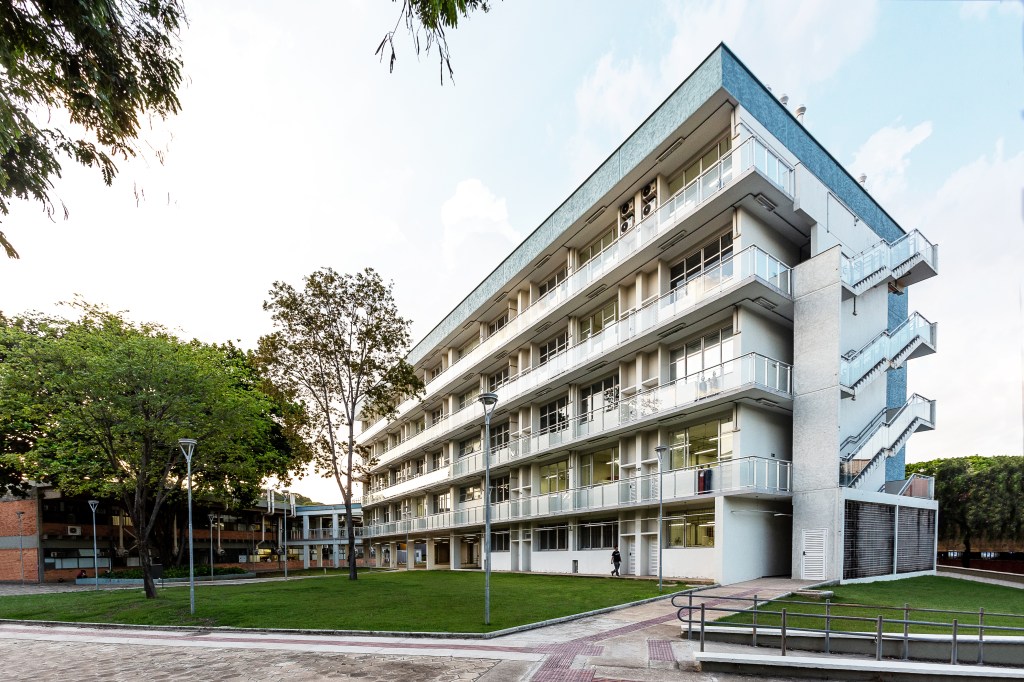

The architectural proposal of the Chemistry laboratories has as its initial premise to house the research laboratories of the unit, modernizing and adapting its facilities to the current demands of infrastructure, operation and security, enabling the unit to maintain and expand its condition of academic development and scientific.

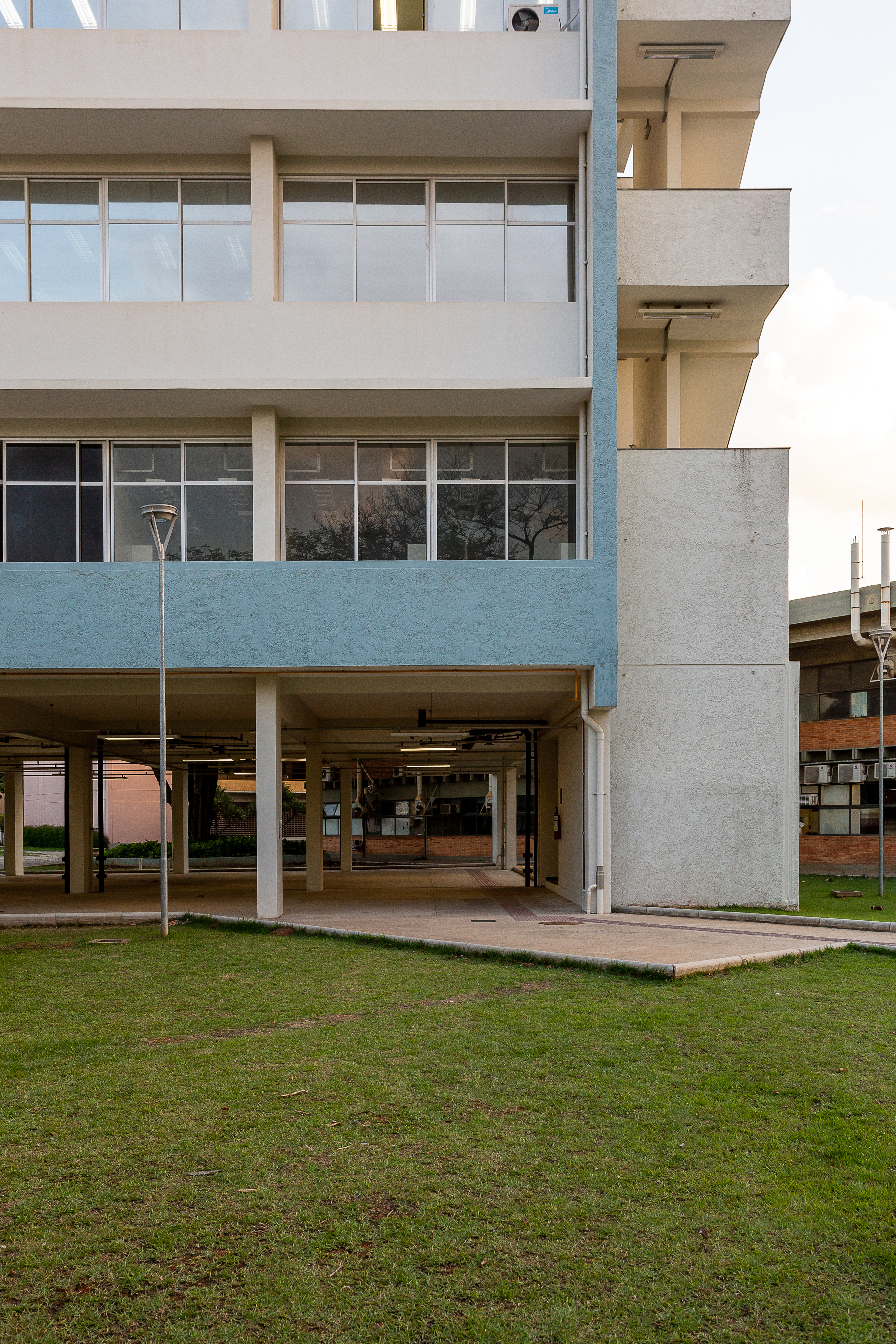
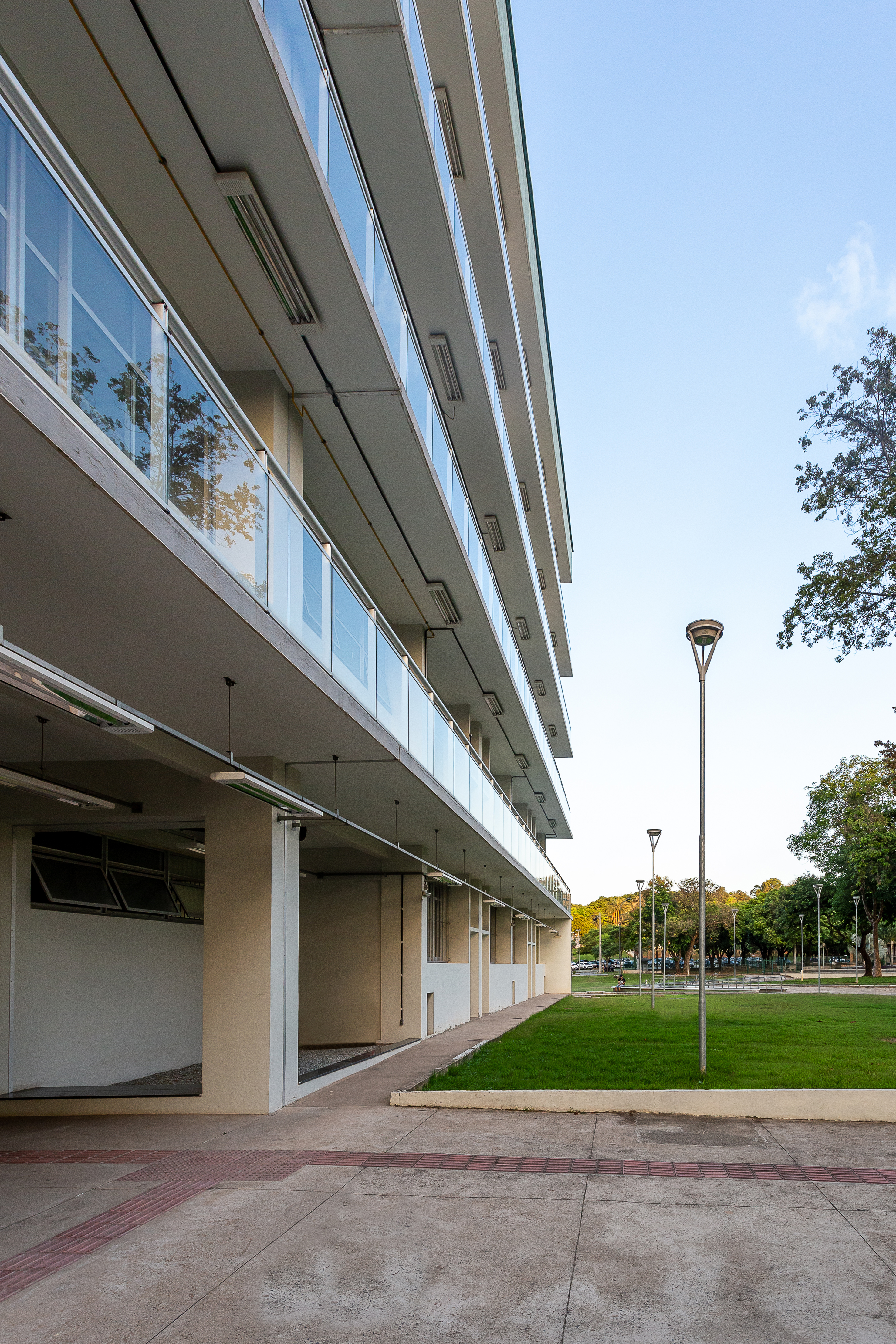


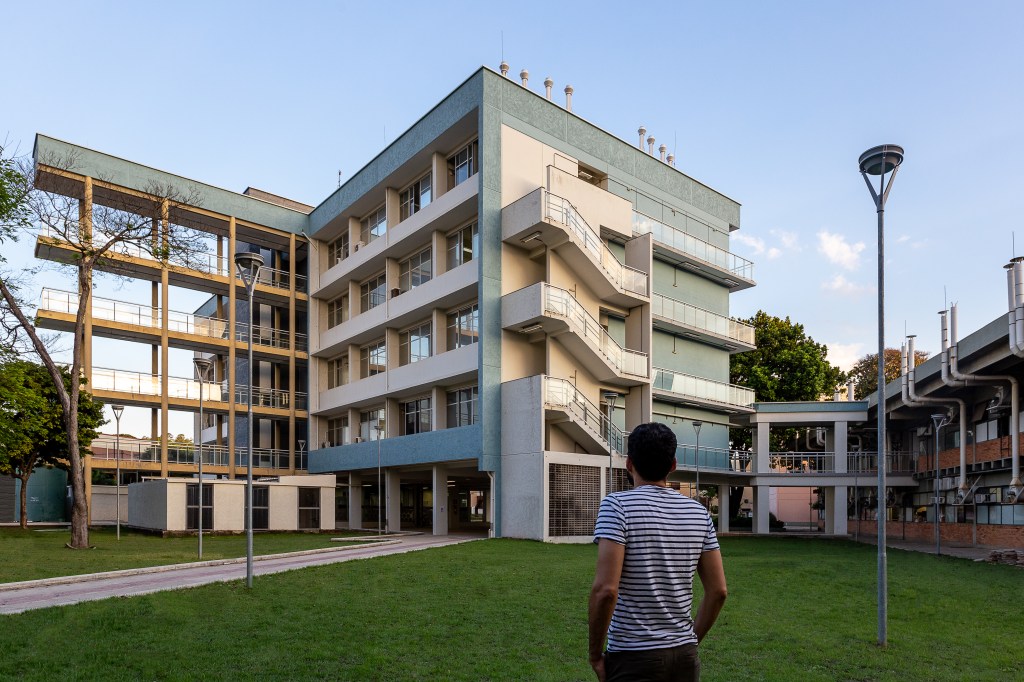
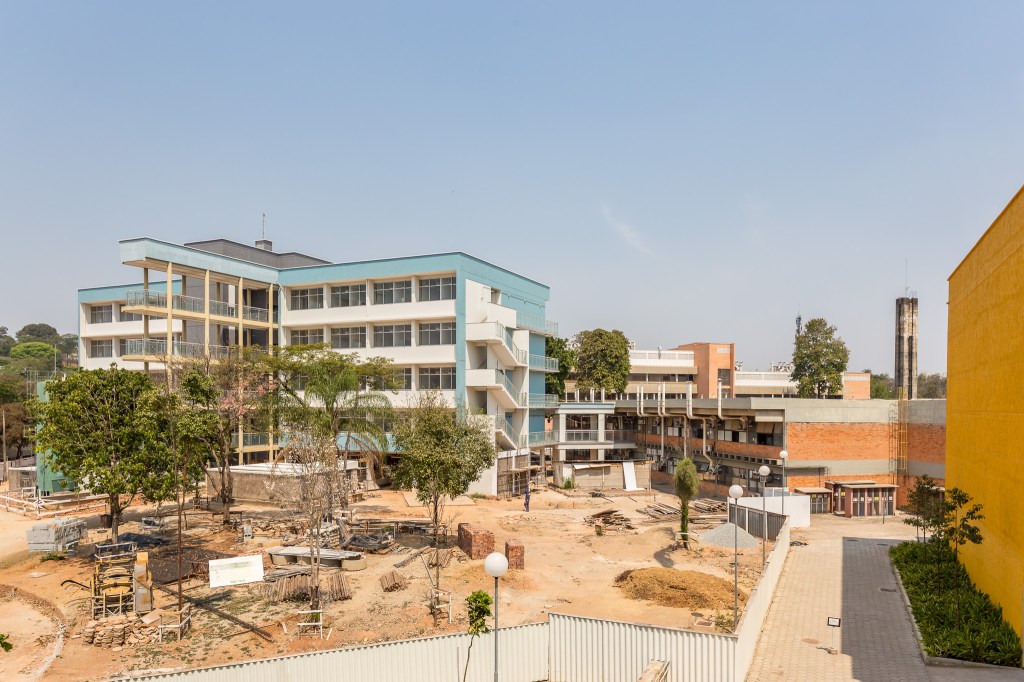
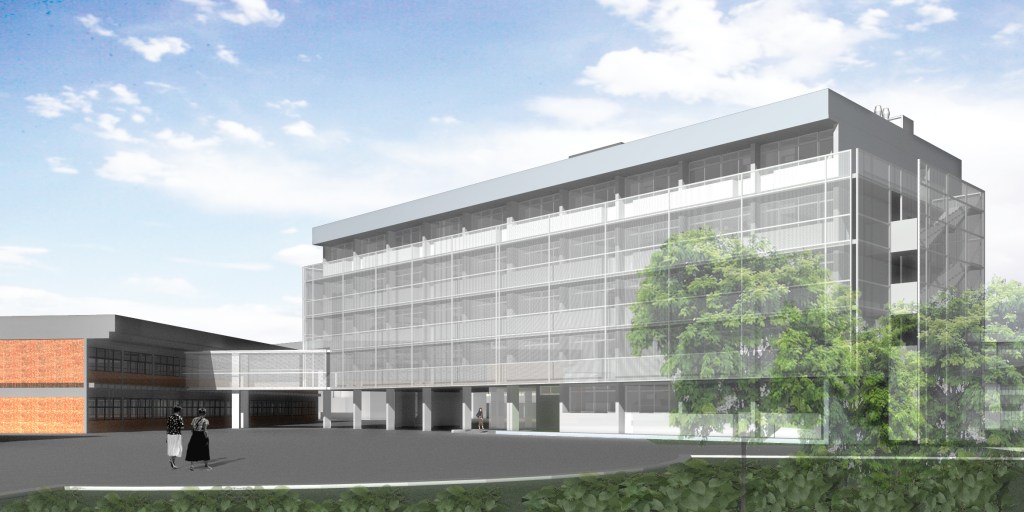
The Initial proposal consists of two blocks with five floors for the use of the unit, occupied by laboratories and different support spaces, in addition to a pilotis, in common use. The conception foresees the possibility of execution in stages, starting with block A, object of this document, which develops the connection with the existing building, being concluded with the implementation of block B, and the respective connection.
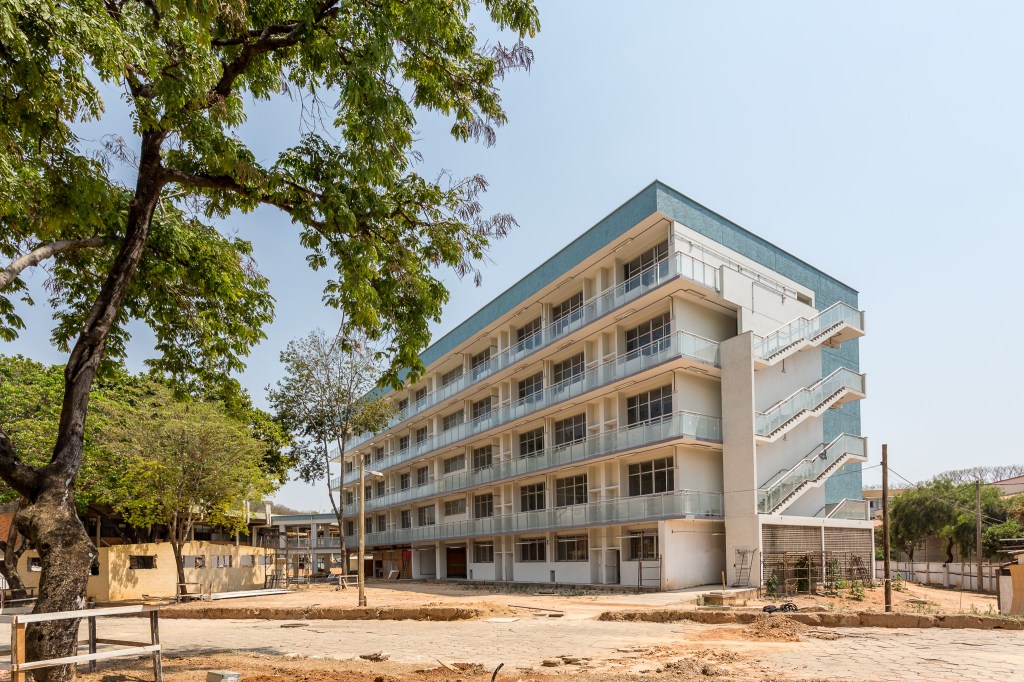
The blocks were oriented with the façades and main openings facing the north and south directions, in order to guarantee a better performance of thermal and lighting comfort, reducing the direct incidence of sunlight, as recommended by the University Master Plan.
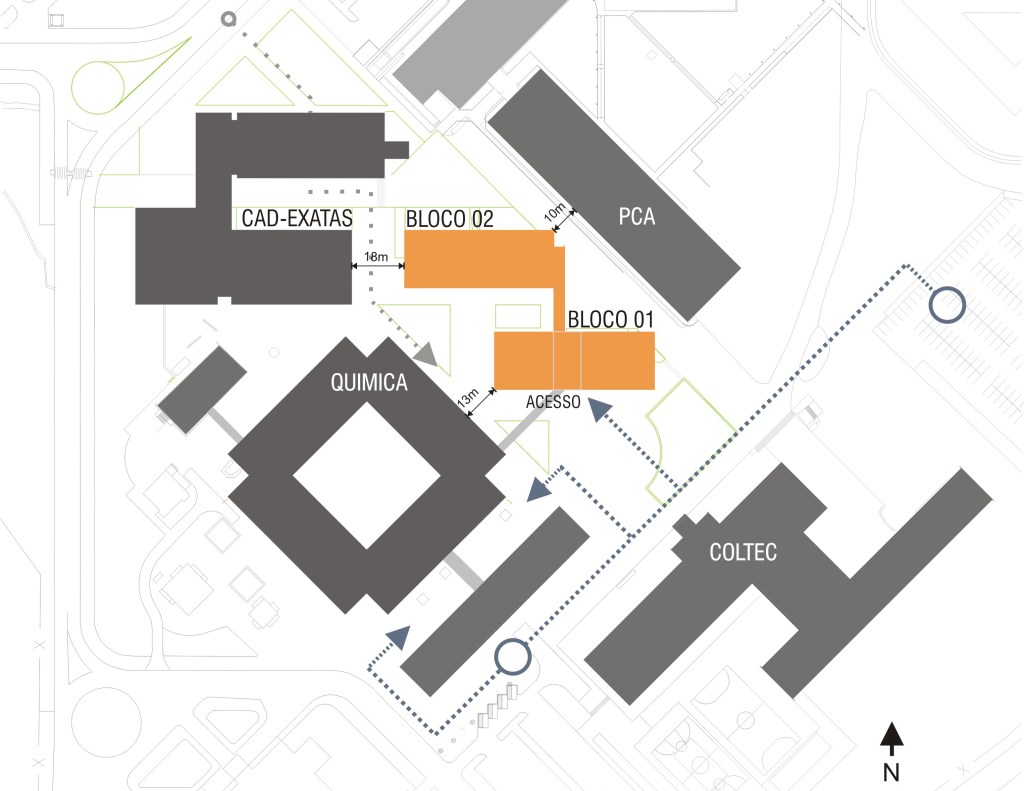
The proposed relationship of the building with its surroundings is one of total integration, through collective use pilotis associated with a concern with the preservation of paths and the creation of ambiences at the pedestrian level.

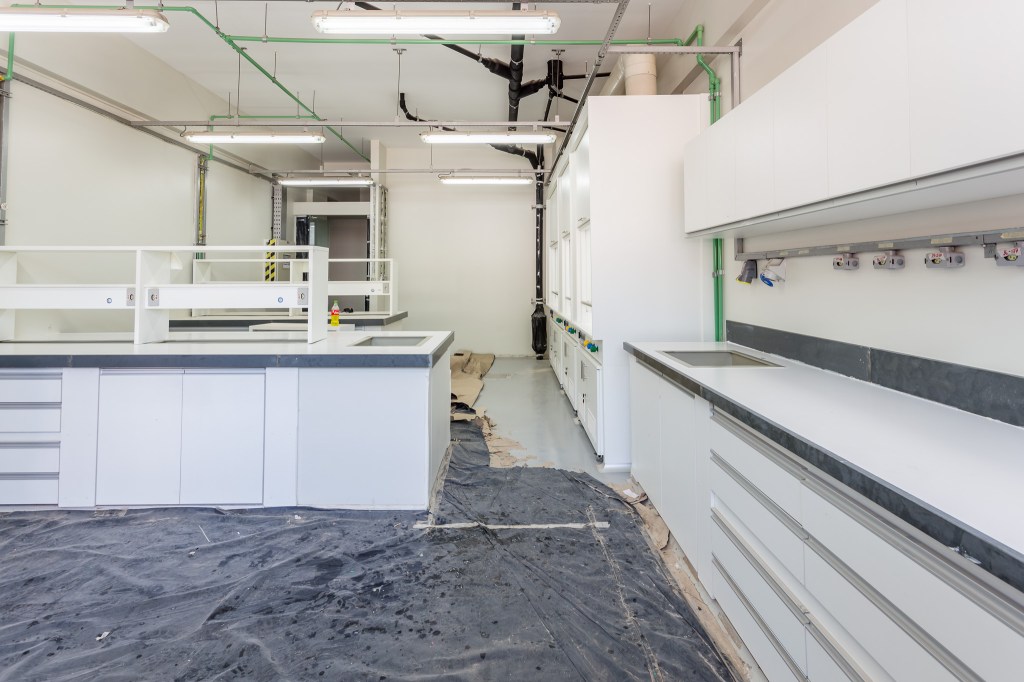
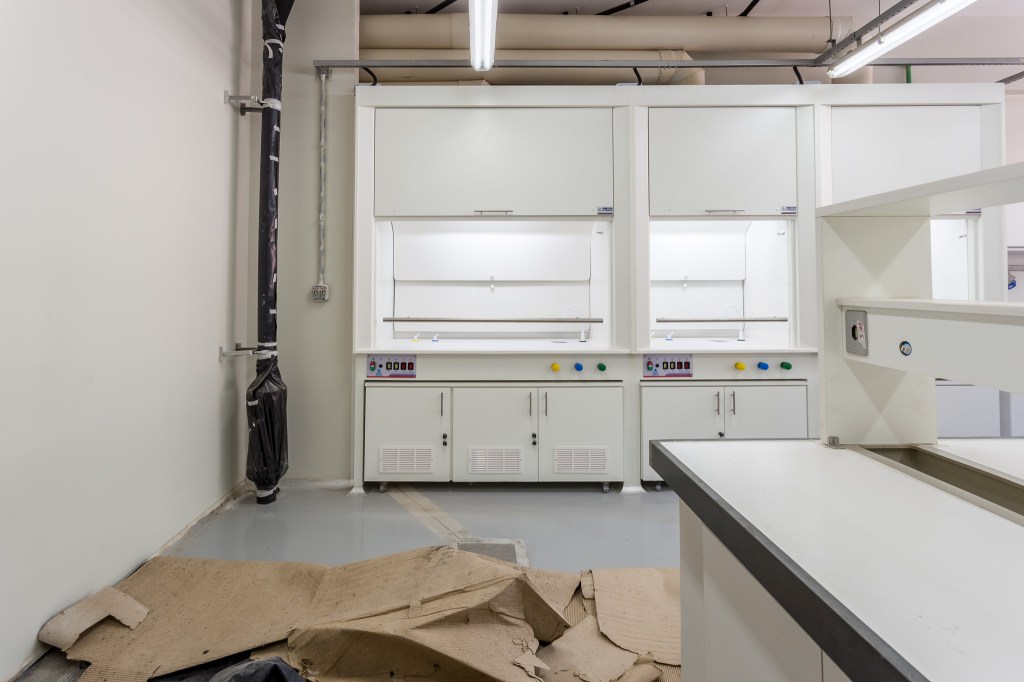
The general design of the building is based on the idea of modular articulation between spaces. A module of 5.12 meters wide was developed for the proposal to house each laboratory, with a pre-defined basic layout and potential for integration with the adjoining spaces. Each of these modules also houses the support infrastructure for the main space, consisting of equipment rooms, collective circulation and shafts for the passage of exhaust pipes from benches and chapels. The coverage was also organized within the modular design, housing the exhaust equipment of the laboratories of that module.
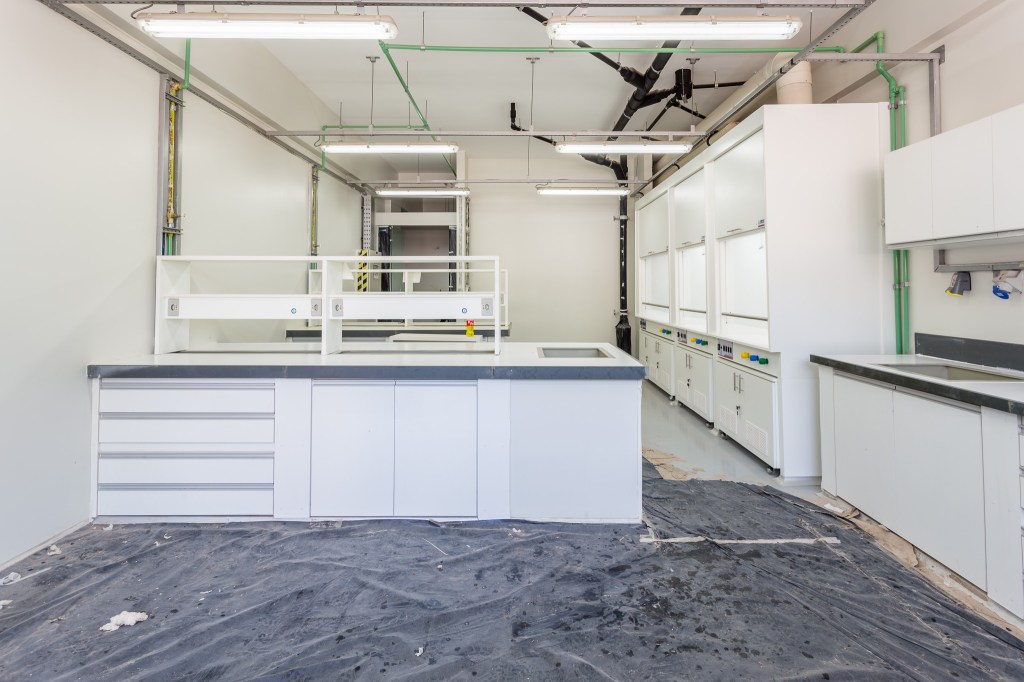
The laboratories have a free height of 3.85m, enough to guarantee the installation of ducts and pipes and preserve the comfort of users. The proposal is that the maximum capacity of the laboratory is reached with three double benches of 2.4m in length for four researchers each, three chapels, a support bench with 3.80m and common cabinets and built-in under the sill of aluminum frames. Exhaust gas systems are planned for all benches and chapels, with the possibility of implementation according to the need or availability of resources.

This option guarantees the potential installation and consequently allows for the constant modernization of the building. The laboratories have three exits, escape routes, to ensure the safety of users in case of accidents. The circulation walkways, external to the complex, are articulated with the main circulation, for daily use of the building. These emergency walkways end up also serving as a sun protection element for laboratories.


 Geraldo Angelo SILVA . architect